


EMBRACE THE SQUEAK!
GRILL, FRY, BBQ
The cheese that has it all, our halloumi is self-assured enough to be the Cypriot centrepiece on your plate or join other ingredients as part of a delicious side dish.
Made in Cyprus from a traditional recipe using cow, sheep and goat’s milk and with traditional processes, when cooked halloumi will caramelise beautifully on the outside while keeping the salty, squeaky firmness we all know and love on the inside.
Simply slice, cube or grate it, pop it on a medium heat and then experience a taste of the best holiday you’ve ever had.


Nutritional Info
Suitable for Vegetarians. Pack sizes: 200g, 225g & 250g.
Ingredients
Cypriot Halloumi Cheese PDO (Milk), Mint
allergens
Milk
storage
Keep Refrigerated. Once opened use within 3 days and by date shown.
Typical Values
per 100g (as sold)
Recipe Inspiration

Crisp halloumi and everyone’s favourite spice, this is a perfect weeknight dinner – with attitude!

It’s Hasselback halloumi! Baked halloumi, sliced a little for the ultimate texture and flavour, served with a tomatoey, herby sauce.

This halloumi curry is a wonderful fusion of vibrant Indian spices with easy-going, Cypriot sunshine.
Where To Buy


Sign Up
To receive special offers, competitions & YAMAS! news:
Explore The Range

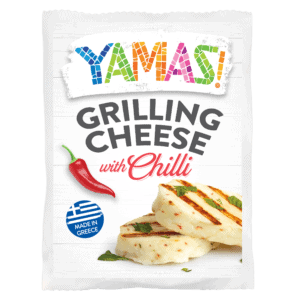

What is Halloumi Cheese?
Halloumi is a semi-hard, unripened cheese with a unique texture that squeaks delightfully when you bite into it! It’s a traditional Cypriot cheese that has captured the hearts and taste buds of foodies around the globe. Its high melting point makes it perfect for grilling or frying, creating a golden-brown crust while maintaining a soft, chewy interior. The salty, tangy flavour of halloumi pairs beautifully with a variety of dishes, from salads to sandwiches to skewers.

Halloumi Cheese and Nutrition

Halloumi is not only delicious but also a good source of nutrition. It’s packed with protein, essential for building and repairing tissues, and calcium, crucial for maintaining strong bones and teeth. Halloumi is also a satisfying cheese that can help you feel fuller for longer, making it a great addition to a balanced diet.
Halloumi Cheese – Your questions answered!
Is halloumi cheese vegetarian?
Yes, YAMAS! Halloumi is vegetarian friendly as it uses microbial rennet in the production process. However, not all halloumi cheeses are vegetarian, as some versions may use animal rennet.
What is halloumi made from?
Traditionally, halloumi was made from just a blend of sheep’s and goat’s milk. As it has grown in popularity over the years, and as dairy cows have become more common on the island, cow’s milk has also been added to the mix to keep up with demand. We use a combination of all three milk types giving halloumi its distinctive flavour and texture.
How is halloumi made?
Traditionally, halloumi was made from just a blend of blend of sheep’s and goat’s milk. As it has grown in popularity over the years, and as dairy cows have become more common on the island, cow’s milk has also been added to the mix to keep up with demand. We use a combination of all three milk types giving halloumi its distinctive flavour and texture.
Where is halloumi from?
Halloumi originated in Cyprus and is deeply ingrained in the island’s culinary heritage. It has been enjoyed for centuries and is considered a national treasure. You will sometimes see a product called Helim, which comes from the Turkish community in the Northern part of the island and is almost identical to halloumi.
Is halloumi healthy?
Like any cheese, halloumi should be enjoyed in moderation as part of a balanced diet. It offers several nutritional benefits as it’s packed with protein and calcium, both of which are great for your body. While it’s true that halloumi can be a little high in fat, it’s also a source of healthy fats. Remember, it’s all about balance and enjoying this versatile cheese as part of a healthy diet.
How much protein is in halloumi?
Halloumi is a fantastic source of protein, boasting around 20g of protein per 100g. This makes it a satisfying and nutritious addition to your meals.
Is halloumi pasteurised?
Yes, most commercially available halloumi, including YAMAS!, is made from pasteurised milk, ensuring its safety for consumption, including pregnant women.
Does halloumi melt?
One of halloumi’s unique characteristics is its high melting point. This means it holds its shape beautifully when grilled or fried, developing a crispy exterior while remaining soft and gooey inside. This makes it a versatile cheese that can be used in various cooking applications. If you need some inspiration on how to use halloumi, check out some of our delicious recipes!
Remember: Halloumi cheese is best enjoyed in moderation as part of a balanced diet. If you have any concerns about incorporating feta into your diet, consult a healthcare professional.